Kenya
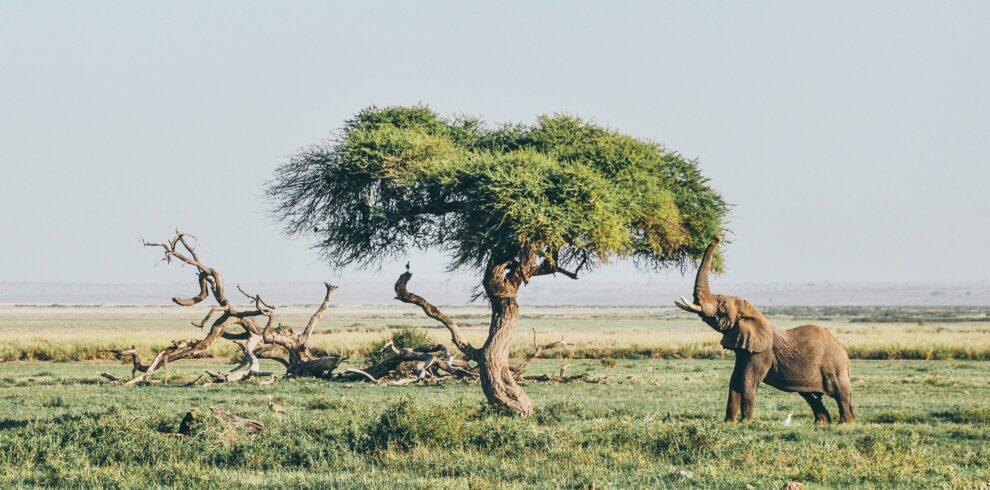
Kenya is one of Africa’s most thrilling travel destinations, offering world-class safaris, stunning landscapes, pristine beaches, and vibrant cultures. Famous for the Great Wildebeest Migration, the Big Five, and breathtaking scenery, Kenya is a dream for nature lovers and adventure seekers.
Top Tourist Attractions:
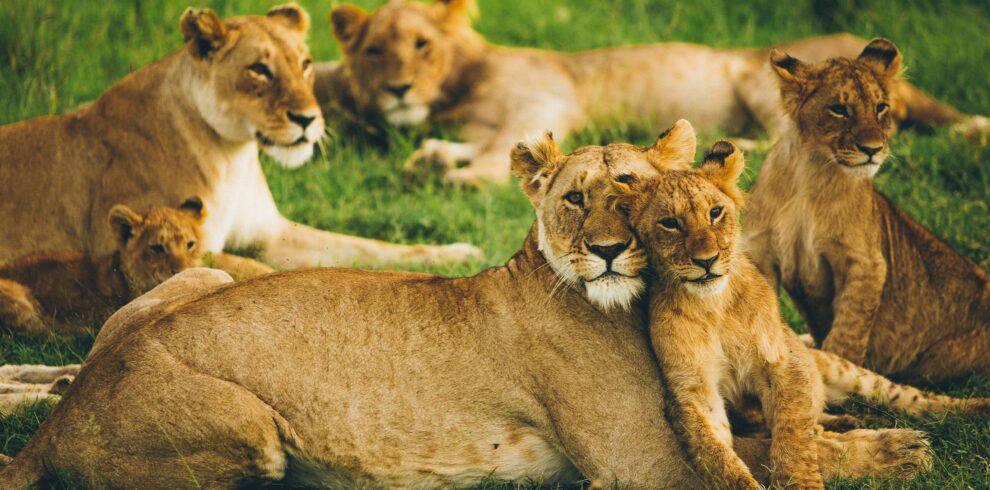
✅ Maasai Mara National Reserve – Witness the Great Migration (July-October), where millions of wildebeest and zebras cross the Mara River, followed by predators. Also home to lions, leopards, elephants, and rhinos.
✅ Amboseli National Park – Stunning views of Mount Kilimanjaro (Africa’s highest peak) and large herds of elephants.
✅ Tsavo East & West National Parks – Kenya’s largest parks, known for red-dust elephants, maneless lions, and dramatic volcanic landscapes.
✅ Samburu National Reserve – A wild, off-the-beaten-path safari spot with rare species like the Grevy’s zebra and reticulated giraffe.
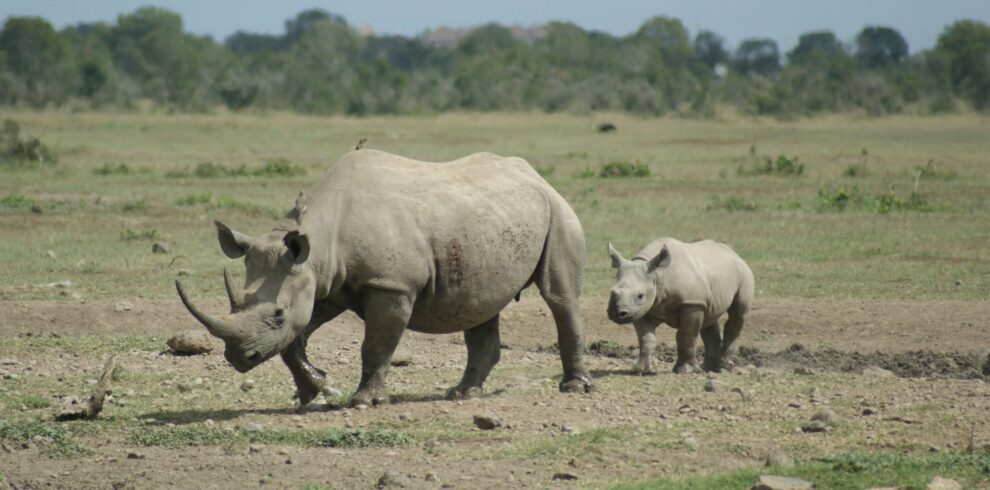
✅ Lake Nakuru – A flamingo-filled lake and one of the best places to see rhinos (both black and white).
✅ Diani Beach & Watamu – Pristine white-sand beaches with turquoise waters, perfect for snorkeling, diving, and relaxing.
✅ Lamu Island – A UNESCO-listed Swahili paradise with narrow streets, Arabic architecture, and no cars—just donkeys and dhows.
Unique Experiences:
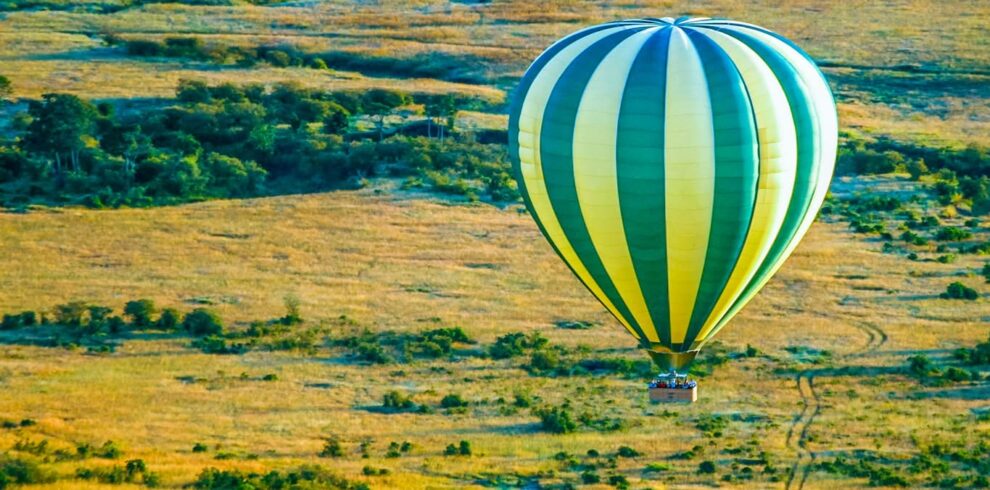
🐘 Hot Air Balloon Safari (Maasai Mara) – Drift over the savannah at sunrise, followed by a champagne bush breakfast.
🏔️ Hiking in Mount Kenya National Park – Africa’s second-highest peak offers scenic trails and alpine forests.
🌊 Diving & Whale Sharks – Swim with whale sharks (seasonal) in Watamu Marine Park.
🦒 Giraffe Manor – Have breakfast with endangered Rothschild giraffes at this famous Nairobi boutique hotel.
🔥 Maasai Cultural Visits – Meet Maasai warriors, learn about their traditions, and enjoy tribal dances.
Best Time to Visit:
- June-October – Dry season, best for wildlife viewing (Great Migration peaks July-Sept).
- January-February – Warm and great for beach holidays.
- November & April-May – Low season (fewer crowds, lush landscapes, but some rain).
Why Visit Kenya?
✔ Unmatched wildlife – The best Big Five sightings in Africa.
✔ Diverse landscapes – From savannahs to mountains, lakes, and coral reefs.
✔ Adventure & relaxation – Safaris, hiking, beach getaways, and cultural tours.
✔ Easy travel – Good infrastructure, English-speaking, and visa-on-arrival for many nationalities.
From heart-pounding safaris to tropical beach escapes, Kenya is a destination that will leave you in awe. Ready for the adventure of a lifetime?
Cultural Tours
Tourism is travel for pleasure or business; also the theory and practice of touring, the business of attracting, accommodating, and entertaining tourists, and the business of operating tours. Tourism may be international, or within the traveller’s country. The World Tourism Organization defines tourism more generally, in terms which go “beyond the common perception of tourism as being limited to holiday activity only”, as people “traveling to and staying in places outside their usual environment for not more than one consecutive year for leisure, business and other purposes”.
Tourism can be domestic or international, and international tourism has both incoming and outgoing implications on a country’s balance of payments. Today, tourism is a major source of income for many countries, and affects the economy of both the source and host countries, in some cases being of vital importance.

Hot Air Baloon
Hot Air Balloon Safaris – Kenya’s Sky-High Adventure
Soar silently over Kenya’s savannahs at sunrise, sipping champagne as wildlife roams below. The Maasai Mara offers iconic flights above wildebeest-filled plains, while Amboseli frames elephants with Kilimanjaro’s peak. Tsavo’s rugged landscapes dazzle from above. Flights end with a bush breakfast—often near grazing giraffes. Best at dawn (June-Oct), this bucket-list experience blends thrill and serenity.
Jungle Safari
A is an overland journey, usually a trip by tourists to Africa. In the past, the trip was often a big-game hunt, but today, safari often refers to trips to observe and photograph wildlife—or hiking and sightseeing, as well.
The Swahili word safari means journey, originally from the Arabic meaning a journey; the verb for “to travel” in Swahili is kusafiri. These words are used for any type of journey, e.g. by bus from Nairobi to Mombasa or by ferry from Dar es Salaam to Unguja. Safari entered the English language at the end of the 1850s thanks to Richard Francis Burton, the famous explorer.
The Regimental March of the King’s African Rifles was ‘Funga Safari’, literally ‘tie up the March’, or, in other words, pack up equipment ready to march.
In 1836 William Cornwallis Harris led an expedition purely to observe and record wildlife and landscapes by the expedition’s members. Harris established the safari style of journey, starting with a not too strenuous rising at first light, an energetic day walking, an afternoon rest then concluding with a formal dinner and telling stories in the evening over drinks and tobacco.
Safari
Other Trips
These are other trips.